
A practical guide to rental property inspections, notice periods and what landlords should check in England.
If you own a rental property, regular inspections are an important part of looking after your investment. They can help identify maintenance problems early, keep communication open with your tenant and provide a useful record of the property’s condition throughout the tenancy.
But how often should you inspect a rental property? Is every three months too frequent? Is once a year enough? And what are the rules about entering a tenant’s home?
There is no single legally prescribed inspection frequency for every private rented property in England. Many landlords and letting agents arrange inspections at sensible intervals, taking account of the property’s condition, the stage of the tenancy, any concerns that have arisen and relevant insurance requirements.
For landlords in Hastings, Bexhill-on-Sea, Eastbourne and across East Sussex, the aim should be to protect the property without unnecessarily disturbing the people living in it.

How often should a landlord inspect a rental property?
For many private rental properties, inspections every three to six months can be a reasonable starting point, but this is not a universal rule or a legal requirement.
An inspection relatively early in a new tenancy can help identify initial problems, check that the property is functioning as expected and give the tenant an opportunity to raise any concerns. Once the tenancy is established and the property is being well maintained, a less frequent schedule may be appropriate.
The right approach depends on several factors:
- The age and condition of the property
- Whether the tenancy is new or well established
- Any previous maintenance concerns
- The type of property and its facilities
- The requirements of the landlord’s insurance policy
- Any relevant tenancy agreement provisions
- The need to respect the tenant’s privacy and quiet enjoyment
For example, an older property with a history of leaks or damp may benefit from closer monitoring than a recently refurbished home where no maintenance concerns have arisen.
However, landlords should avoid arranging inspections more frequently than is reasonably necessary. The purpose is to maintain the property, not to continually monitor how a tenant lives.
We always try to take a sensible approach to property inspections because every property and tenancy is different. An inspection early in a tenancy can be really useful for picking up anything that needs attention, but once everything is running smoothly, it’s about finding the right balance. We want to protect the landlord’s property while making sure tenants feel comfortable and respected in their home.
Why are regular property inspections important?
A rental property inspection should primarily be about identifying maintenance needs, checking the condition of the home and giving the tenant an opportunity to discuss concerns.
It isn’t simply an opportunity to check whether the property is tidy. Normal day-to-day living will naturally affect how a home looks, and tenants are entitled to use the property as their home.
One of the biggest benefits of inspections is that they can help identify problems before they become more serious.
For example, a small leak around a bath or shower might initially cause only minor damage. If it goes unnoticed for several months, however, it could lead to damaged flooring, mould or more extensive repairs.
Similarly, early signs of water penetration around a window may be easier to address before they affect internal plasterwork or decoration.
Regular inspections can also provide a useful opportunity to check that previously reported repairs have been completed and that no further action is needed.
Inspections can benefit tenants too
Although inspections are often discussed in terms of protecting a landlord’s investment, they can also benefit tenants.
Some tenants may be unsure whether a problem is serious enough to report, or may not realise that an issue could become worse if left unresolved. An inspection provides an opportunity to discuss these concerns and arrange appropriate maintenance.
It can also help build a positive relationship between the tenant and the person managing the property, particularly when concerns are listened to and followed up promptly.
What should landlords check during a property inspection?
A good inspection should focus on the property’s condition, maintenance and safety, rather than the tenant’s personal lifestyle.
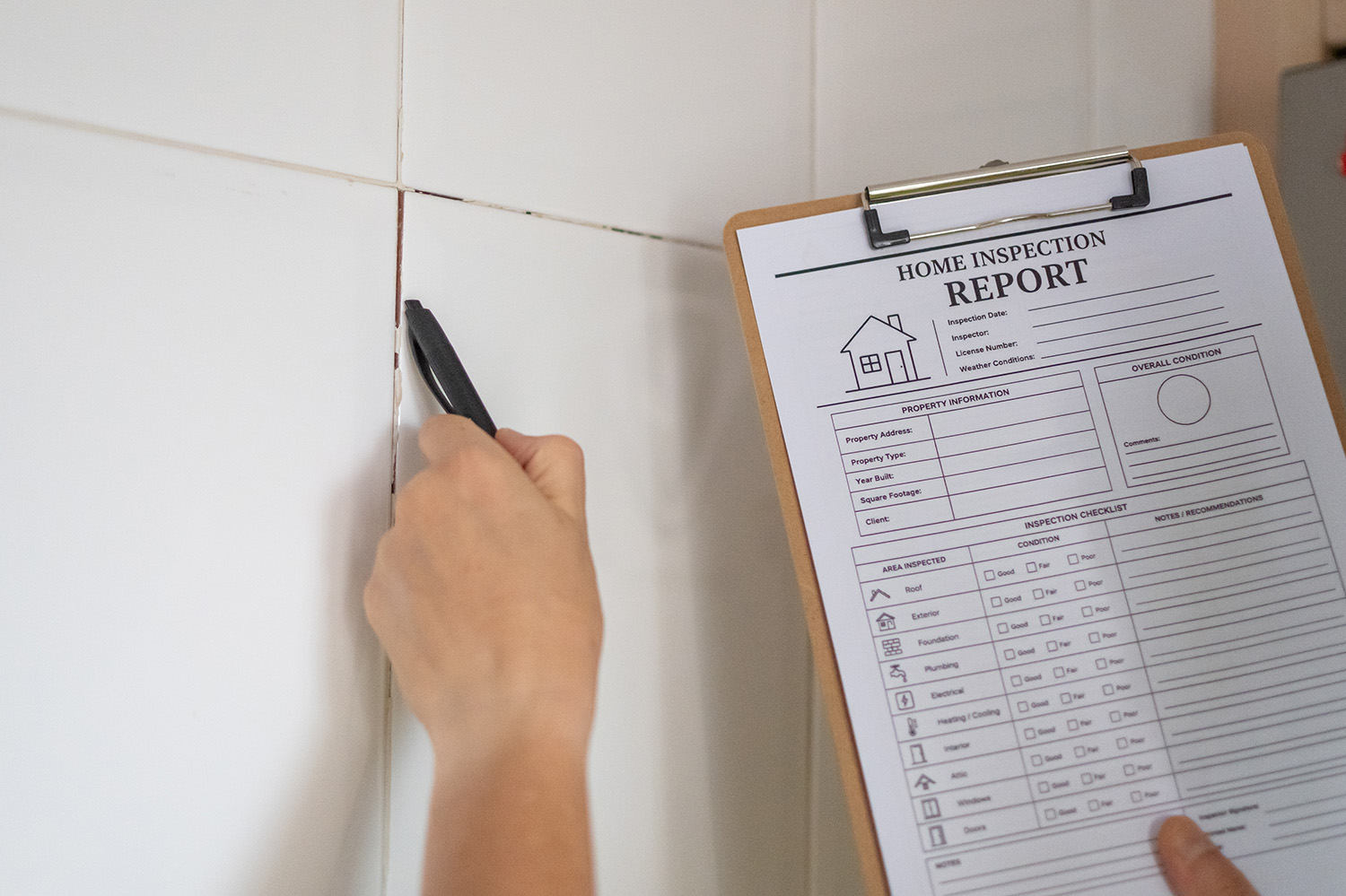
The areas checked will depend on the property, but a practical inspection checklist may include:
|
Area |
What to look for |
|
Damp and mould |
Signs of moisture, condensation, mould growth or water penetration |
|
Plumbing |
Leaks, dripping taps, damaged seals and visible water damage |
|
Heating and hot water |
Problems reported with heating, radiators or hot water |
|
Windows and doors |
Damaged frames, seals, locks, handles or glazing |
|
Walls, ceilings and flooring |
Cracks, stains, deterioration or damage needing attention |
|
Kitchen and bathroom |
Condition of landlord-provided fittings and appliances |
|
Alarms |
Any reported faults or concerns with smoke and carbon monoxide alarms |
|
External areas |
Visible maintenance issues affecting gardens, boundaries or other included areas |
|
Previous repairs |
Whether outstanding issues have been resolved satisfactorily |
This is not a substitute for professional gas, electrical or other statutory safety inspections. Those checks have their own requirements and should be carried out by appropriately qualified people where necessary.
It is also worth asking the tenant whether they have noticed anything that might not be immediately visible during a short visit.
How much notice must a landlord give before an inspection?
For an inspection to view the condition and state of repair of a rented property in England, landlords must generally give at least 24 hours’ notice in writing, and the inspection must take place at a reasonable time of day.
This requirement is reflected in Section 11 of the Landlord and Tenant Act 1985. It is also important to consider the tenancy agreement and the tenant’s right to quiet enjoyment.
In practice, providing more than the minimum notice where possible is often sensible. It gives tenants time to make arrangements and helps maintain a good relationship.
A written inspection notice should make clear why access is needed, when the proposed visit will take place and who will be attending.
Can a landlord enter if the tenant is not at home?
A landlord should not assume that giving 24 hours’ notice automatically allows them to enter using their own keys.
The tenant’s permission and right to quiet enjoyment must still be respected. If the proposed appointment is inconvenient, it is usually better to agree an alternative time.
Where the tenant has expressly agreed that the landlord or letting agent can attend while they are out, arrangements should be clear and recorded.
An emergency involving an immediate risk to people or serious property damage may justify a different approach.
Can a tenant refuse a property inspection?
A tenant can object to a proposed visit or ask for it to be rearranged. However, landlords have legal rights to inspect the condition and state of repair of a property, subject to the relevant notice and access requirements.
Where an inspection is reasonably necessary and proper notice has been given, tenants should generally cooperate with appropriate access arrangements.
If a tenant repeatedly refuses access, the landlord should avoid taking matters into their own hands. Entering without permission, repeatedly turning up or pressuring a tenant can create serious problems.
Instead, the landlord or managing agent should explain why the inspection is necessary, offer reasonable alternatives and seek appropriate advice if access continues to be refused.
The important distinction is between having a legitimate reason to inspect and assuming that a landlord can enter whenever they choose.
Can landlords take photographs during an inspection?
Photographs can be useful for documenting maintenance concerns, recording the property’s condition and supporting a clear inspection report.
However, the property is the tenant’s home, and landlords and letting agents should take a proportionate approach.
Photographs should be relevant to the purpose of the inspection. For example, an image showing water damage around a window may be useful for arranging repairs, while photographs of unrelated personal belongings are unlikely to be necessary.
Tenants should be told why photographs are being taken and how they will be used. Any images containing personal information should be handled securely and in accordance with applicable data protection requirements.
A professional inspection report should provide useful evidence about the property’s condition without unnecessarily intruding on the tenant’s privacy.
Should landlords inspect more often during a new tenancy?
An earlier inspection can be particularly useful when a new tenant has recently moved in.
Although a detailed inventory should record the property’s condition at the start of the tenancy, some maintenance problems may only become apparent once the property is being lived in.
For example, a tenant might discover that a radiator isn’t heating properly, a window is difficult to close or a shower fitting needs attention.
An early inspection provides an opportunity to discuss those issues and make sure the tenant understands how to report future problems.
If the property is in good order and the tenancy is progressing well, the inspection schedule can then be reviewed and adjusted to suit the circumstances.
The important point is that an early visit should have a practical purpose, rather than being treated as an excuse for unnecessary checks.
What if a tenant reports a problem between inspections?
Landlords should never wait until the next scheduled inspection before dealing with a reported repair or safety concern.
If a tenant reports a leak, heating failure, electrical concern or another maintenance issue, it should be assessed and addressed within an appropriate timeframe according to its seriousness.
Some problems require urgent action, while others can reasonably be scheduled for a suitable appointment. The landlord’s legal repairing obligations still apply regardless of when the next inspection is due.
For example, if a tenant reports water coming through a ceiling, it would not be appropriate to wait several weeks simply because a routine inspection has already been arranged.
Regular inspections should therefore support a good maintenance process, not replace it.
Do landlord insurance policies require regular inspections?
Some landlord insurance policies contain conditions relating to inspections, particularly when a property is unoccupied for an extended period.
The requirements can vary between insurers and policies. A policy might specify inspection intervals, require additional precautions during periods of vacancy or impose conditions relating to heating and water systems.
This is why landlords should check their own insurance documents rather than assuming a particular inspection frequency will always be sufficient.
If the property is going to be empty for several weeks, for example, the insurer may require different arrangements from those applying while a tenant is living there.
Failing to meet relevant policy conditions could create difficulties if a claim is made, so it is worth understanding these requirements before deciding on an inspection schedule.
What should happen after a property inspection?
The value of an inspection doesn’t end when the landlord or letting agent leaves the property.
A useful inspection should produce a clear record of the property’s condition, any concerns raised and the action required.
Where maintenance issues have been identified, the next step is to determine what work is needed, arrange the appropriate contractor and keep the tenant informed.
For example, if an inspection identifies deteriorating bathroom sealant and signs of moisture, the report should record the issue and the necessary follow-up. If repairs are arranged, there should also be a record of when the work was completed.
Over time, these reports can provide a useful maintenance history. They may help landlords identify recurring issues, plan future expenditure and demonstrate how reported concerns have been handled.
For us, an inspection isn’t just about visiting a property and producing a report. The important part is what happens afterwards. If something needs repairing, it needs to be followed up, and the tenant should know what’s happening. Keeping proper records and dealing with those smaller issues early can help prevent more expensive problems later on.
Can a letting agent carry out inspections for a landlord?
Yes. Many landlords choose a fully managed lettings service so that routine inspections, tenant communication and maintenance coordination can be handled by an experienced local team.
This can be particularly helpful for landlords who live away from their rental property, have several properties or simply don’t have the time to arrange visits and manage the follow-up work themselves.
However, not all letting-agent services include the same inspection arrangements. Landlords should ask how frequently inspections are normally carried out, how reports are provided, whether photographs are included and what happens when maintenance concerns are identified.
It’s also important to understand that instructing a managing agent does not remove the landlord’s underlying legal responsibilities. The agent supports the management of the property within the scope of the service agreed.
Frequently asked questions about landlord property inspections
Is a landlord legally required to inspect every three months?
No. There is no general legal rule requiring every private landlord in England to inspect their property every three months. Inspection frequency should reflect the property’s needs, tenancy arrangements and relevant insurance conditions.
Is a property inspection every six months enough?
It may be appropriate for some properties and tenancies, but it isn’t a universal recommendation. Landlords should consider the property’s condition, any outstanding maintenance issues and insurance requirements when deciding on a schedule.
Can a landlord inspect a property every month?
Monthly inspections are not automatically unlawful, but frequent visits need to be justified and must respect the tenant’s right to quiet enjoyment. Excessive or intrusive inspections can create problems, particularly where there is no clear maintenance reason.
Does a tenant have to be present during an inspection?
Not necessarily. An inspection can take place while the tenant is absent if appropriate access arrangements have been agreed. Landlords and agents should not assume that holding a key gives them permission to enter.
How much notice does a landlord need to give?
For inspections of the property’s condition and state of repair, landlords generally need to provide at least 24 hours’ written notice and arrange the visit at a reasonable time. Emergencies may be treated differently.
Can a landlord take pictures of a tenant's belongings?
Photographs should be relevant and proportionate to the inspection’s purpose. Landlords should avoid unnecessarily photographing personal belongings and handle any personal information appropriately.
Regular inspections are part of responsible property management
A well-managed rental property shouldn’t only receive attention when something goes wrong.
Regular, appropriately arranged inspections can help landlords identify maintenance problems early, monitor the property’s condition and plan repairs before small issues become more serious. They also give tenants an opportunity to raise concerns and help maintain clear communication throughout the tenancy.
The best inspection schedule is one that reflects the needs of the property and the tenancy, while respecting the tenant’s right to enjoy their home.
Looking for a fully managed lettings service?
At Oakfield Estate Agents, we’ve been supporting landlords across East Sussex since 1996. Our lettings and property management teams work with landlords in Hastings, Bexhill-on-Sea and Eastbourne, helping with tenant communication, property inspections, maintenance coordination and the ongoing responsibilities involved in letting a home.
Whether you’re managing your first rental property or have an established portfolio, professional management can help you stay organised and ensure that important maintenance concerns receive appropriate attention.
If you would like to discuss our fully managed lettings service, speak to your local Oakfield team about your property and how we can help.
This article provides general guidance for private landlords in England, reflecting the position in October 2026. Inspection arrangements should take account of the tenancy agreement, applicable legislation and any relevant insurance conditions.